Community
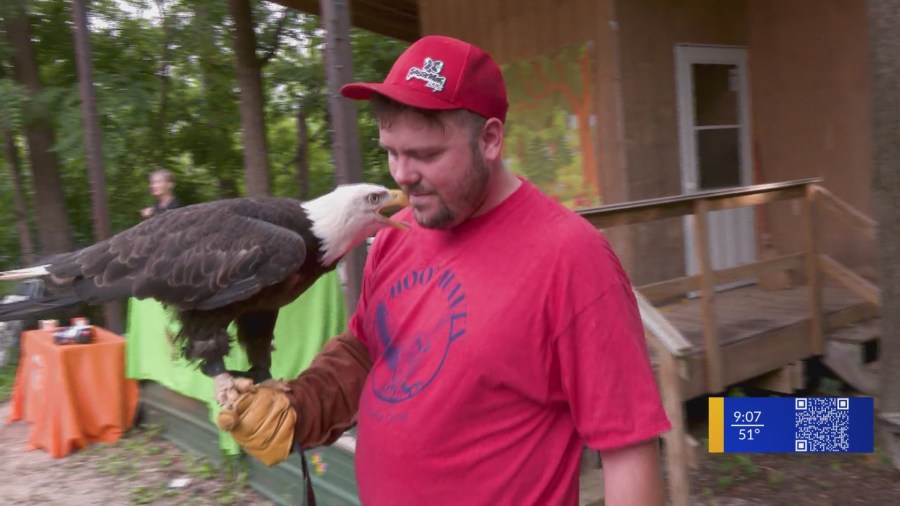
Durand nonprofit seeks community support for animals needing food
By Lila Harrison
Advertisement · Why this ad?
Lila holds a degree in Communications from Northern Illinois University and has worked for various local publications, including the Rockford Register Star. With over 5 years of experience, she is deeply engaged with the Rockford community and focuses on human-interest stories.
More from Lila →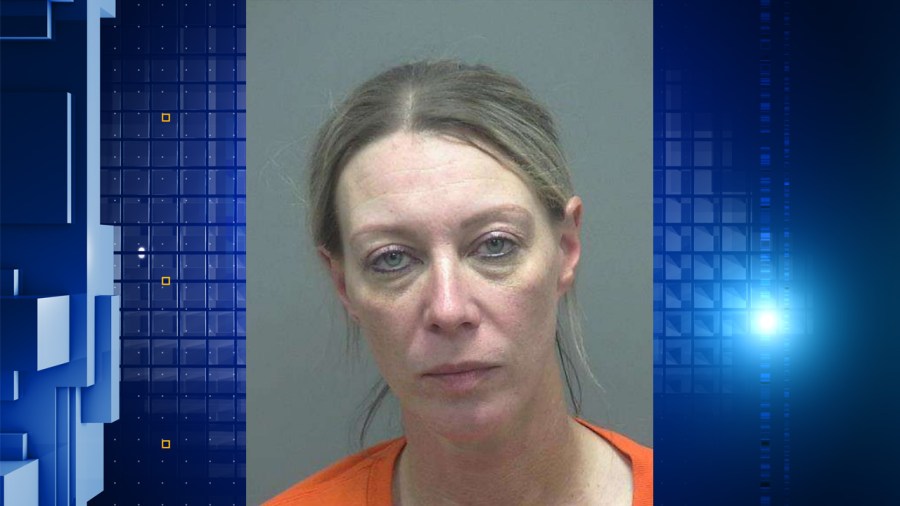
As the sun dipped below the horizon in Janesville, the streets bustled with evening activity, but the atmosphere shifted when news broke of a serious incident involving a local resident. A 39-year-old woman from Beloit, known in her community, was arrested on suspicion of operating a vehicle while intoxicated (OWI) for the fourth time. This troubling event has raised questions about the challenges of addiction and the importance of community support systems.
On a chilly evening in January, law enforcement officials in Janesville responded to reports of erratic driving. Upon stopping the vehicle, they discovered the driver, identified as 39-year-old Sarah Johnson, exhibiting signs of intoxication. This incident marks her fourth OWI arrest, a significant escalation in her legal troubles. Scheduled for her initial court appearance on Wednesday, Johnson's case highlights the ongoing battle many face with substance abuse.
The gravity of her situation is not lost on the Janesville community, where local leaders and residents alike are concerned about the implications of repeat offenses. With each OWI arrest, the stakes are raised—not only for the individual but for the safety of everyone on the road. The law in Wisconsin imposes harsher penalties for repeat offenders, and Johnson's case could lead to serious repercussions.
In the wake of this incident, the community of Janesville has sparked conversations about the need for more robust support systems for individuals struggling with addiction. Local organizations, such as Janesville's official website, have been proactive in addressing substance abuse through education and outreach programs. These efforts aim to provide resources for those in need, promoting a path toward recovery and rehabilitation.
Community members are increasingly aware that addiction does not exist in a vacuum. It affects families, workplaces, and the broader social fabric of Janesville. Many residents have shared personal stories of loved ones who have struggled with similar issues, emphasizing the need for empathy and understanding. “We can’t just look at the numbers; these are real people with real families,” said a local teacher who has witnessed the impact of addiction on her students.
Support networks play a crucial role in helping individuals like Johnson find their way back from the brink. Community leaders emphasize that addiction is not merely a legal issue but a public health concern that requires a compassionate approach. “We need to focus on healing and prevention,” remarked local health advocate Janesville's Department of Health. “It’s about creating an environment where people feel safe to seek help.”
As discussions unfold, many residents are expressing their concerns for Johnson and others facing similar challenges. The sentiment is clear: while accountability is necessary, so too is understanding the underlying issues that lead to repeated offenses. “It’s heartbreaking to see someone struggle like this,” said a local shop owner, who wished to remain anonymous. “We need to come together as a community to support one another.”
The Janesville community has also seen the rise of grassroots initiatives aimed at tackling addiction. Support groups, such as Alcoholics Anonymous (AA) and Narcotics Anonymous (NA), have increased their presence, providing safe spaces for individuals to share their experiences and seek help. These groups are often bolstered by local churches and community centers, which offer meeting spaces and additional resources for recovery.
As Johnson prepares for her court appearance, the community watches closely, hoping for a resolution that prioritizes her rehabilitation. The legal system will play a pivotal role in determining her future, but the path forward also lies in the hands of those who care about her well-being. Local resources, such as Wisconsin's Department of Health Services, provide avenues for recovery, emphasizing the importance of treatment over punishment.
In the coming weeks, community members are encouraged to participate in discussions surrounding addiction and recovery. Events organized by local nonprofits, including Janesville Community Services, aim to raise awareness and foster understanding. These initiatives are crucial in breaking the stigma associated with addiction and encouraging individuals to seek help without fear of judgment.
Moreover, local schools are beginning to incorporate discussions about addiction into their health education curriculum, aiming to equip younger generations with the knowledge and tools to make informed decisions. “Education is key,” said a school counselor. “If we can teach kids about the dangers of substance abuse early on, we may be able to prevent future issues.”
To better understand the impact of addiction, it is essential to hear from those directly affected. One local resident, John Miller, shared his journey of recovery after battling alcohol addiction for over a decade. “I was in a dark place, similar to where Sarah might be now,” he reflected. “But with the right support, I turned my life around. It’s vital to have a community that believes in second chances.” Miller now volunteers at local support groups, hoping to inspire others to seek help.
Another resident, Maria Gonzalez, a mother of two, expressed her concern for children in the community who may be affected by parental substance abuse. “It’s not just the person struggling; it’s the entire family. We need to create a safety net for our kids,” she emphasized. Gonzalez is actively involved in community outreach programs aimed at providing resources for families dealing with addiction.
The challenges of addiction are complex, but the response from the Janesville community demonstrates a commitment to support and healing. By fostering an environment of understanding and compassion, residents hope to reduce the rates of repeat offenses and promote healthier lifestyles. As Johnson's case unfolds, it serves as a reminder of the importance of community in overcoming personal struggles.
Moving forward, the focus will remain on creating a safer community for all. Initiatives that promote safe driving, responsible alcohol consumption, and accessible addiction resources are essential. Local leaders are calling for increased funding for treatment programs and educational campaigns that can make a genuine difference in the lives of individuals and families affected by substance abuse.
In conclusion, the story of Sarah Johnson is not just about a legal issue; it reflects the larger narrative of addiction in our communities. As we bear witness to her journey, may we also be inspired to take action, support one another, and build a future where families can thrive, free from the burdens of addiction. Together, we can foster a community rooted in strong values, commitment, and hope.
By Lila Harrison

By Lila Harrison

By Lila Harrison

By Lila Harrison